Retreat
56%
of Perú's glacier area has been lost since 1962
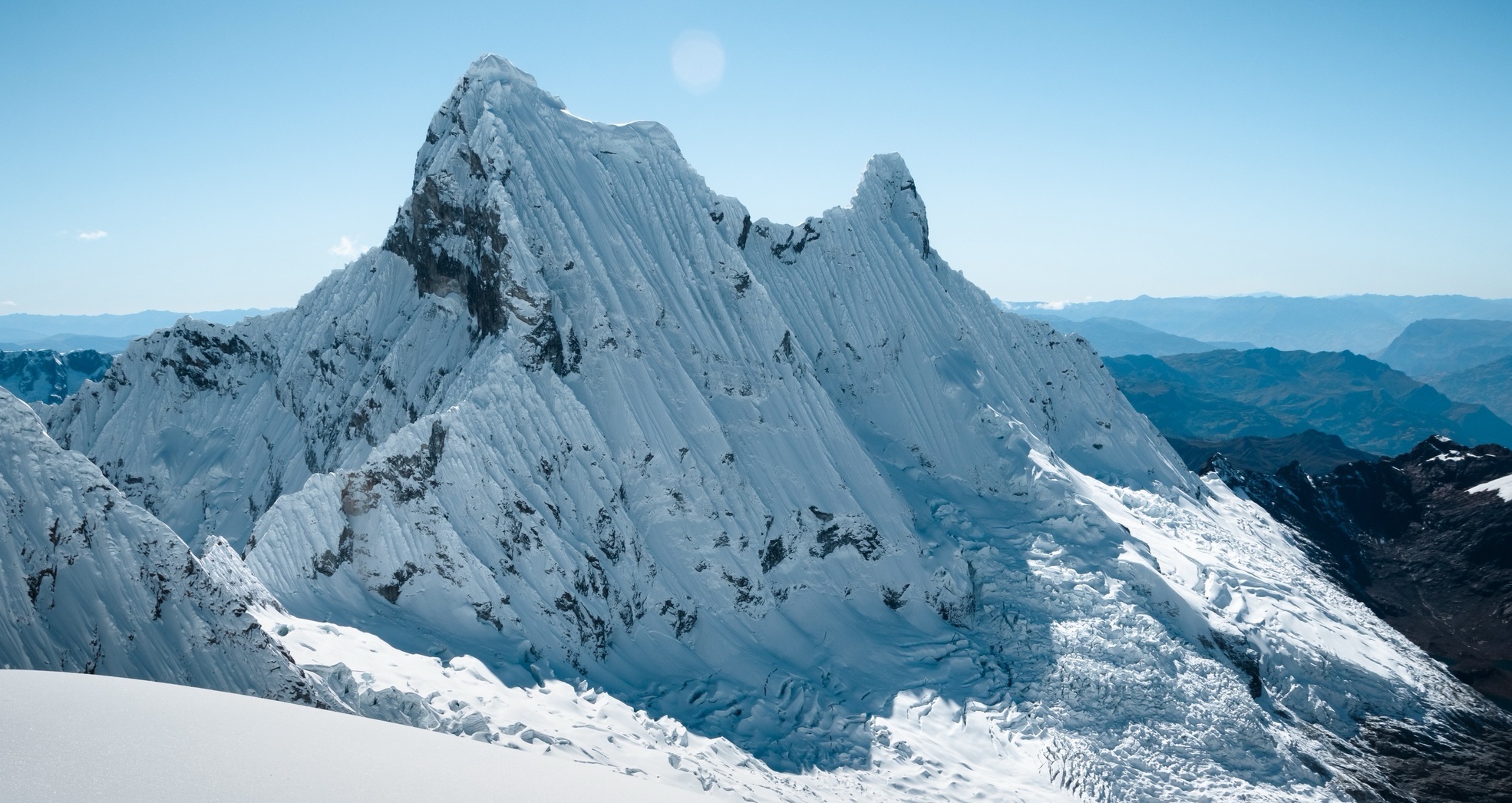
A guide to understanding the changes and their impacts
Photo: Mery del Carpio
of Perú's glacier area has been lost since 1962
in Áncash are at risk of an outburst (528 nationwide)
people depend on water originating from glaciers
of the electricity consumed in Perú is generated by hydropower
Source: INAIGEM and Ministerio del Ambiente
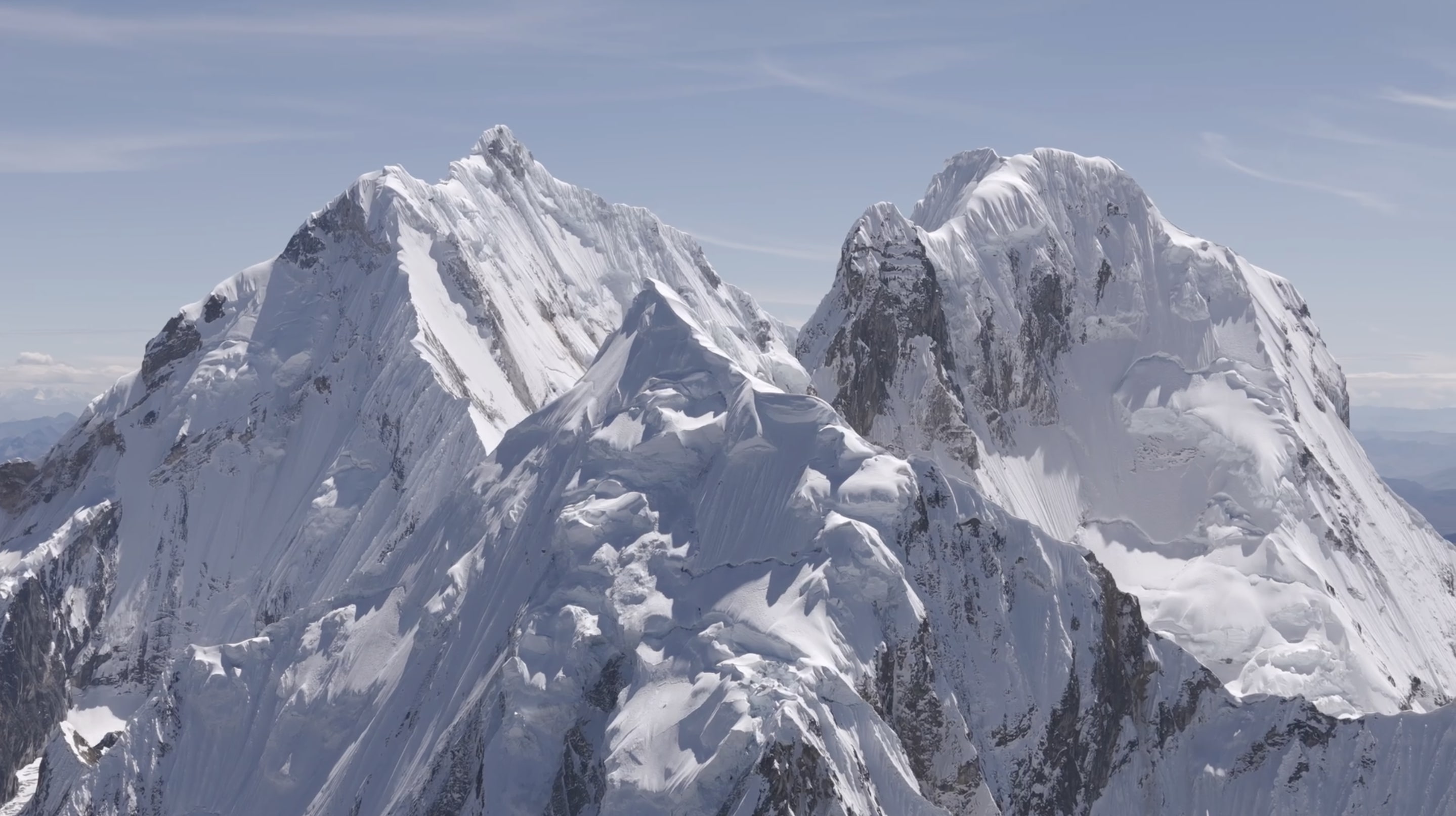
Together with high-Andean wetlands, they act as natural water reservoirs that feed rivers and supply millions of people, supporting agriculture, hydropower generation, ecosystems and communities regionally and nationally.
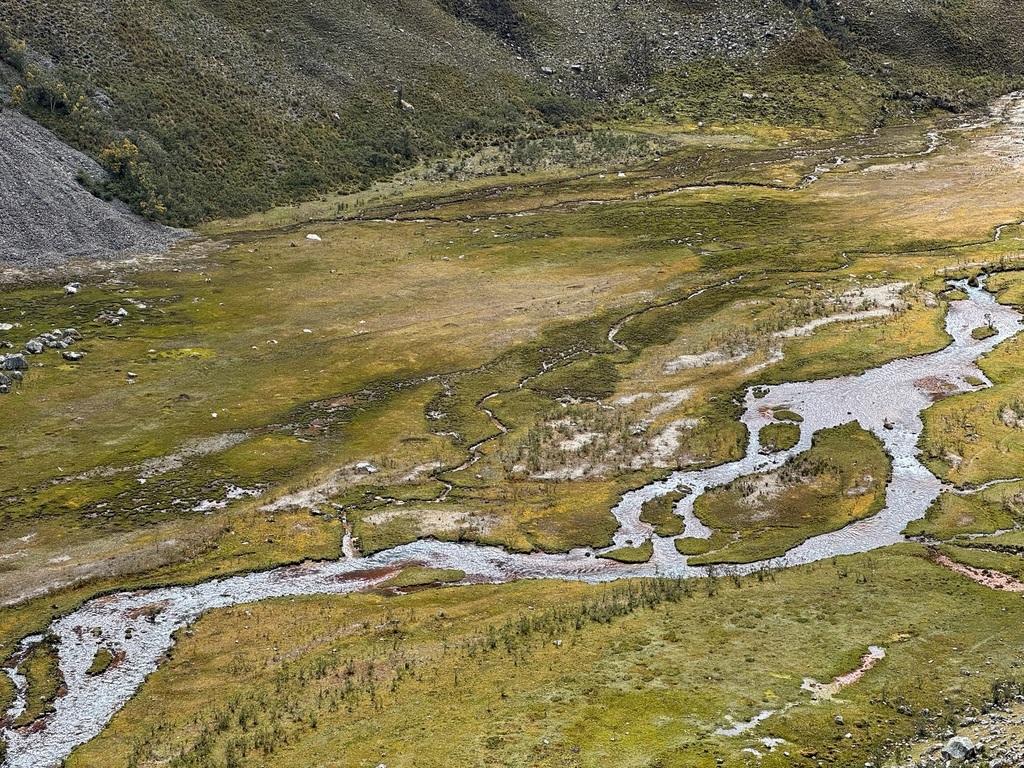

In addition, they regulate the mountain climate, are key indicators of climate change and have significant cultural, tourism and scientific value.
Today, rising temperatures, changes in precipitation and other environmental factors are accelerating their retreat, disrupting the balance of high-mountain ecosystems and putting the benefits these glaciers provide to society at risk.
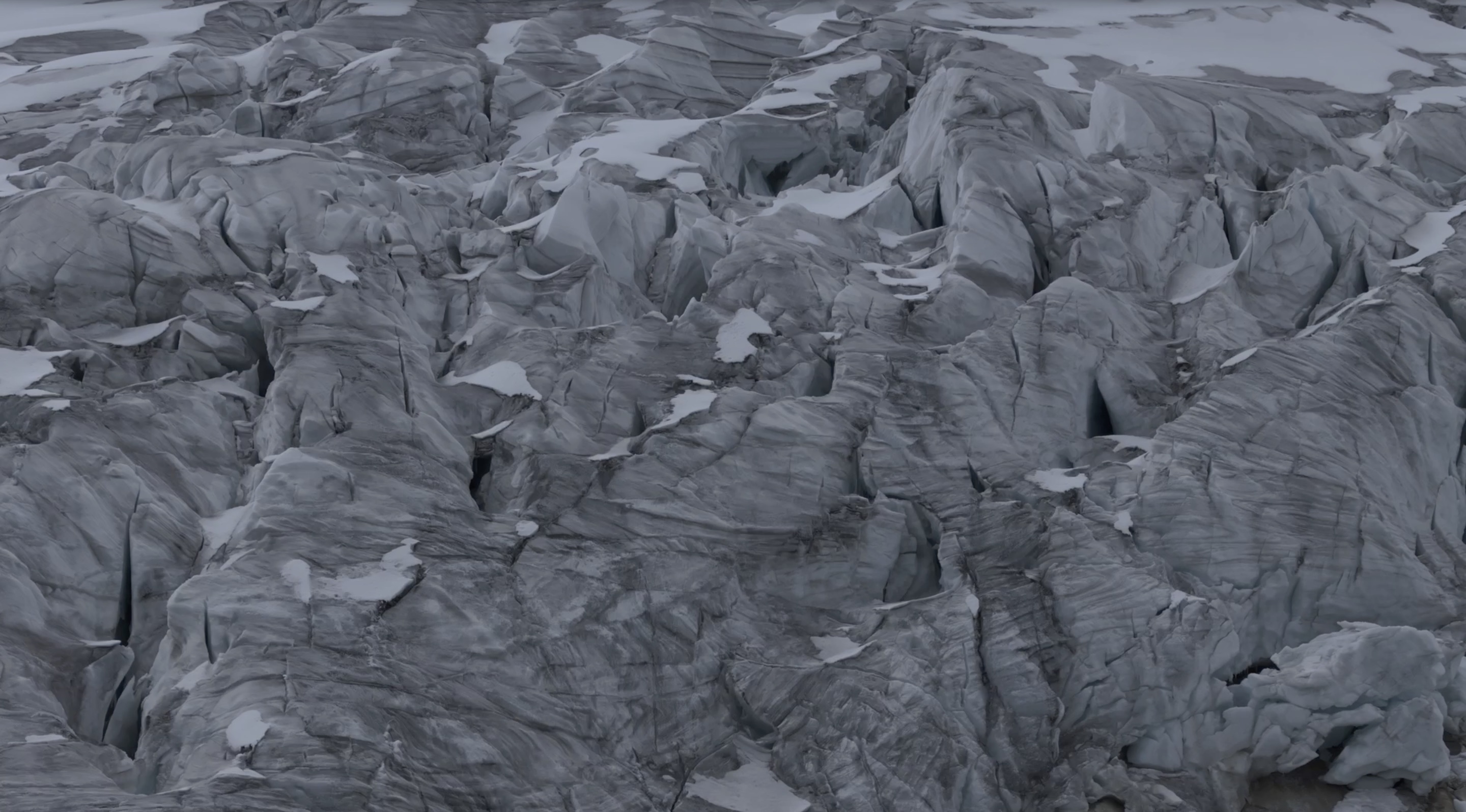
The Artesonraju glacier illustrates glacier retreat in the Cordillera Blanca.
Since 2013, it has lost 44% of its area (INAIGEM, 2023), a change that reflects the rapid transformation of glaciers in the tropical Andes.
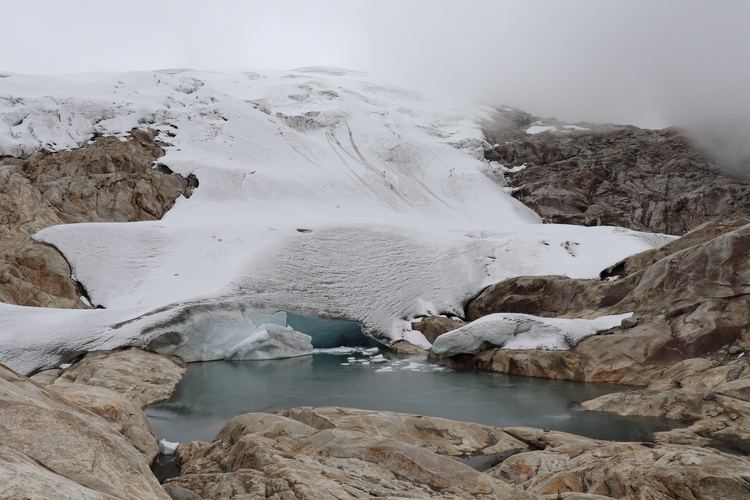
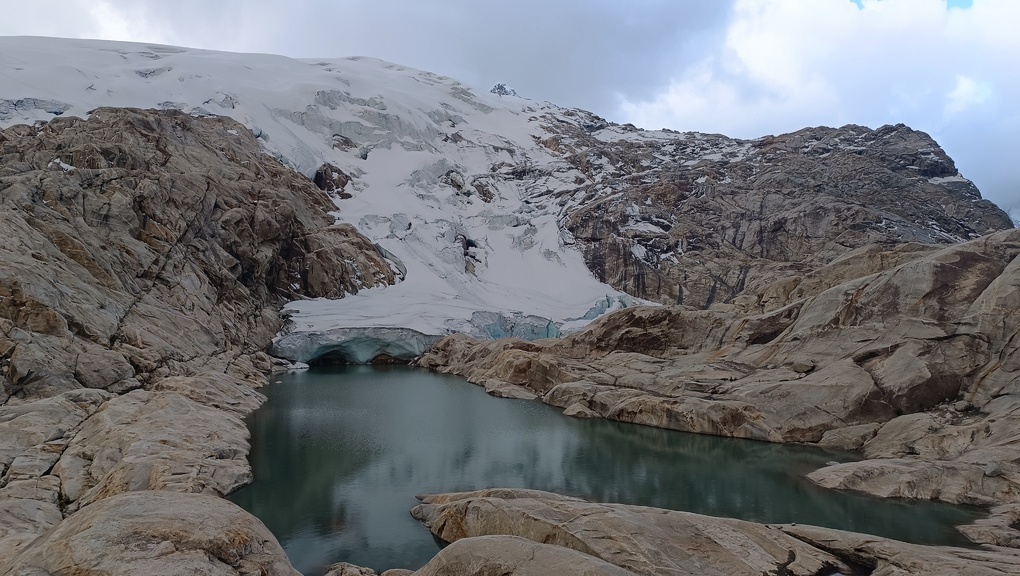
Historical photo / Current photo
Glacier retreat does not affect every glacier equally. Factors such as altitude, size and local climate influence the speed and extent of the changes observed. Since the 1970s, the Yanamarey glacier has rapidly shrunk and is now close to disappearing.
Source: ANA Perú
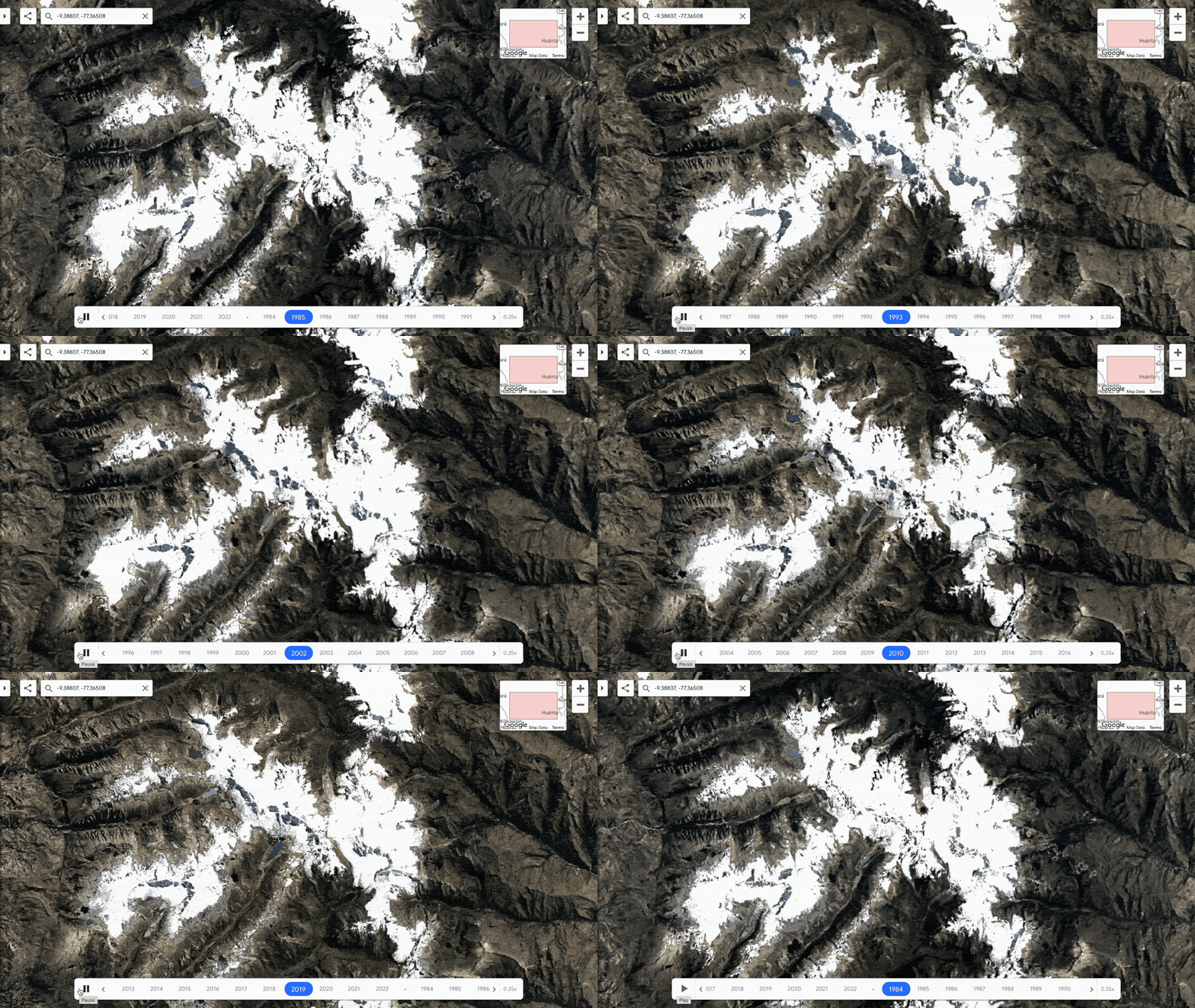
The sequence shows glacier retreat, the formation and expansion of glacial lakes, and the transformation of mountains such as Tocllaraju, Palcaraju, Chinchey and Ranrapalca. In particular, notice how Laguna Palcacocha expands, posing an outburst risk that could send a debris flood down to Huaraz.
Source: Caroline Clason
This map brings together the latest available information on glaciers and lakes of glacial origin in Perú. Each layer can be switched on or off to show different types of information and better understand how the high-mountain landscape has changed. Zoom in, move the map and explore individual glaciers, valleys and lakes in greater detail.
Source: INAIGEM (2026)
The three main layers show the ice that remains, new lakes formed by glacier retreat and lakes that could pose a threat to communities and infrastructure downstream. Together, they help explain changes in the mountain range and their implications for water, safety and adaptation.
lakes that could cause debris floods if falling ice or rock triggers an outburst, together with their risk level.
remaining glaciers, classified by type (clean-ice glaciers, debris-covered glaciers or rock glaciers)
lakes formed by glacier retreat
Historical photographs capturing the Cordillera Blanca in past decades, showing how the Andean landscape has changed over time.
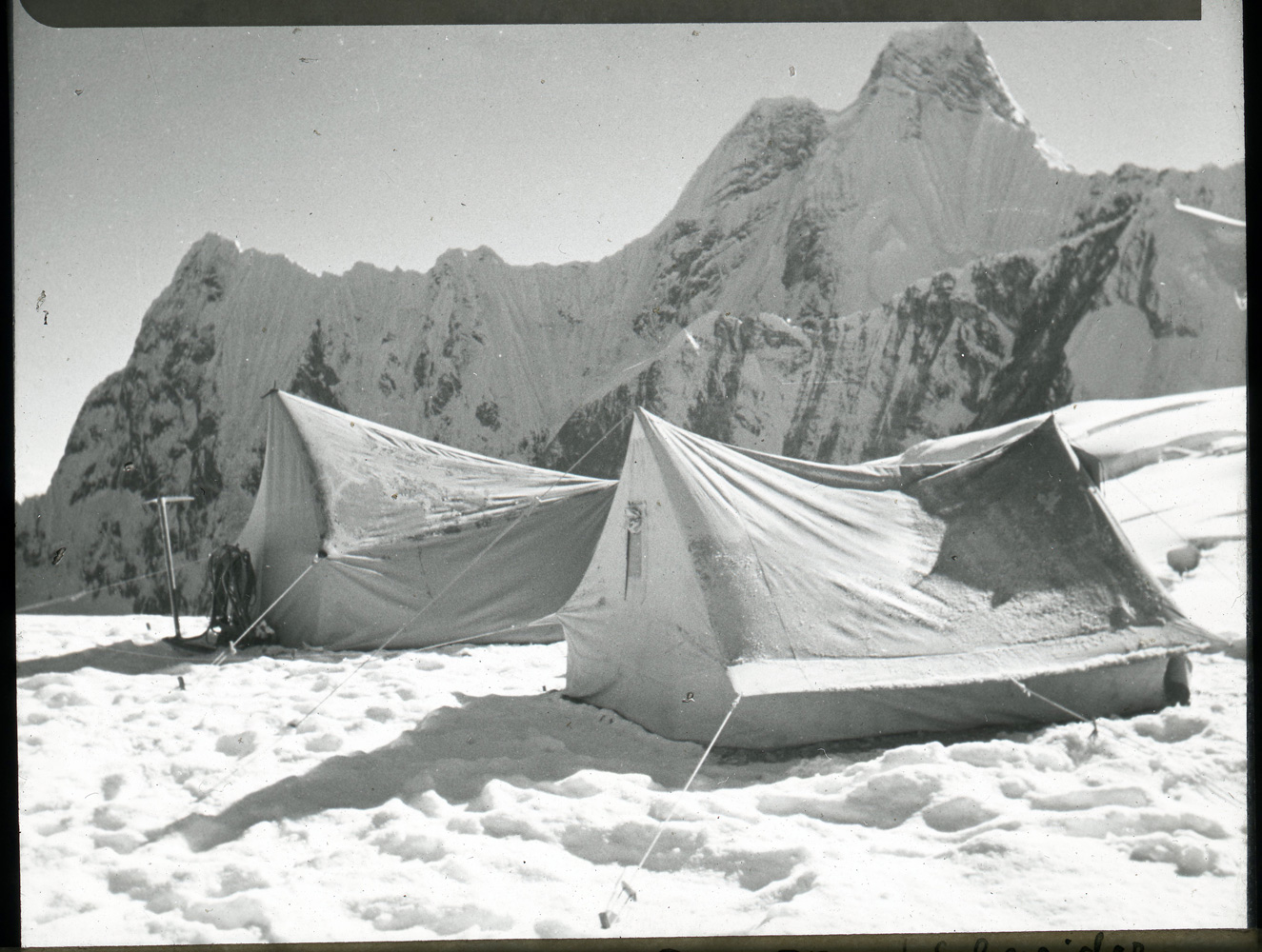
Source: Archivo histórico de la Cordillera Blanca
Tropical glaciers are among the most vulnerable in the world. In this warm region, ice melts throughout the year and snowfall is no longer enough to replace what is lost. Many glaciers in the Cordillera Blanca are also small, which further accelerates their disappearance.
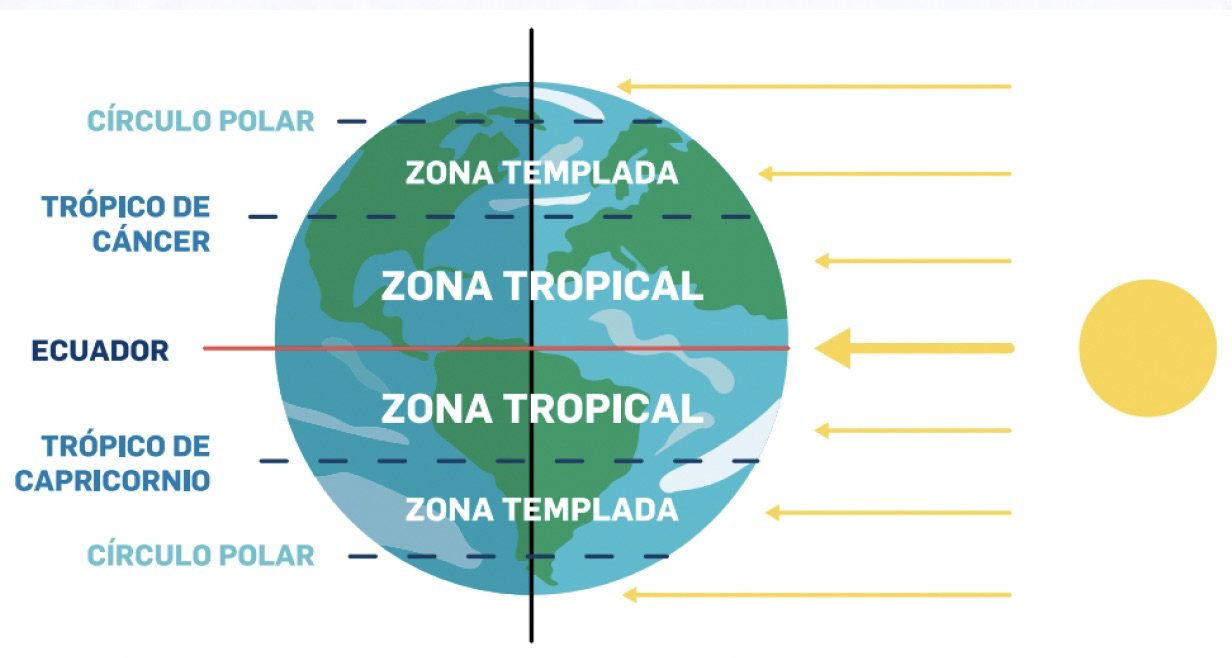
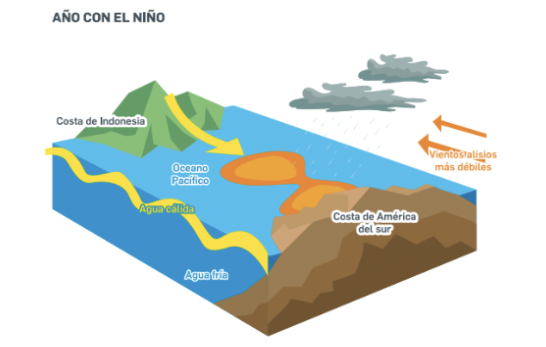
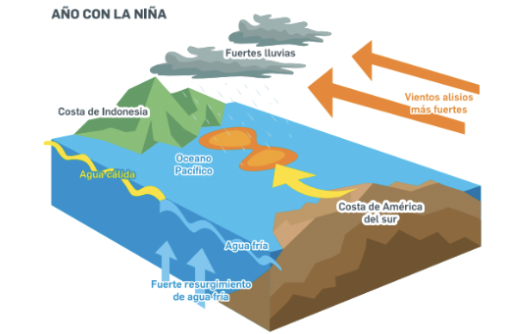
El Niño and La Niña affect temperatures, precipitation and the amount of snow glaciers receive each year, causing some periods to experience far more intense melting than others.
Select both phenomena to see how conditions change.
During El Niño, temperatures rise and snowfall decreases, while rain becomes more frequent. Without a fresh layer of snow to reflect solar radiation, the ice absorbs more heat and melts faster. As a result, El Niño years often coincide with some of the largest losses of glacier mass.
Around 120 El Niño events have been recorded over the past 500 years; since the late 1970s, these events have become more frequent and intense.
During La Niña, the tropical Pacific Ocean cools and atmospheric conditions change. The Andes may experience lower temperatures and variations in rain and snowfall that temporarily alter the balance of glaciers.
Although some years may favour greater snow accumulation, La Niña does not reverse the trend of glacier loss caused by the sustained rise in global temperature.
Black carbon and dust from natural sources and human activities such as industry, diesel engines and forest fires settle on glaciers and darken their surfaces.
This reduces their ability to reflect solar radiation, increases heat absorption and accelerates melting.
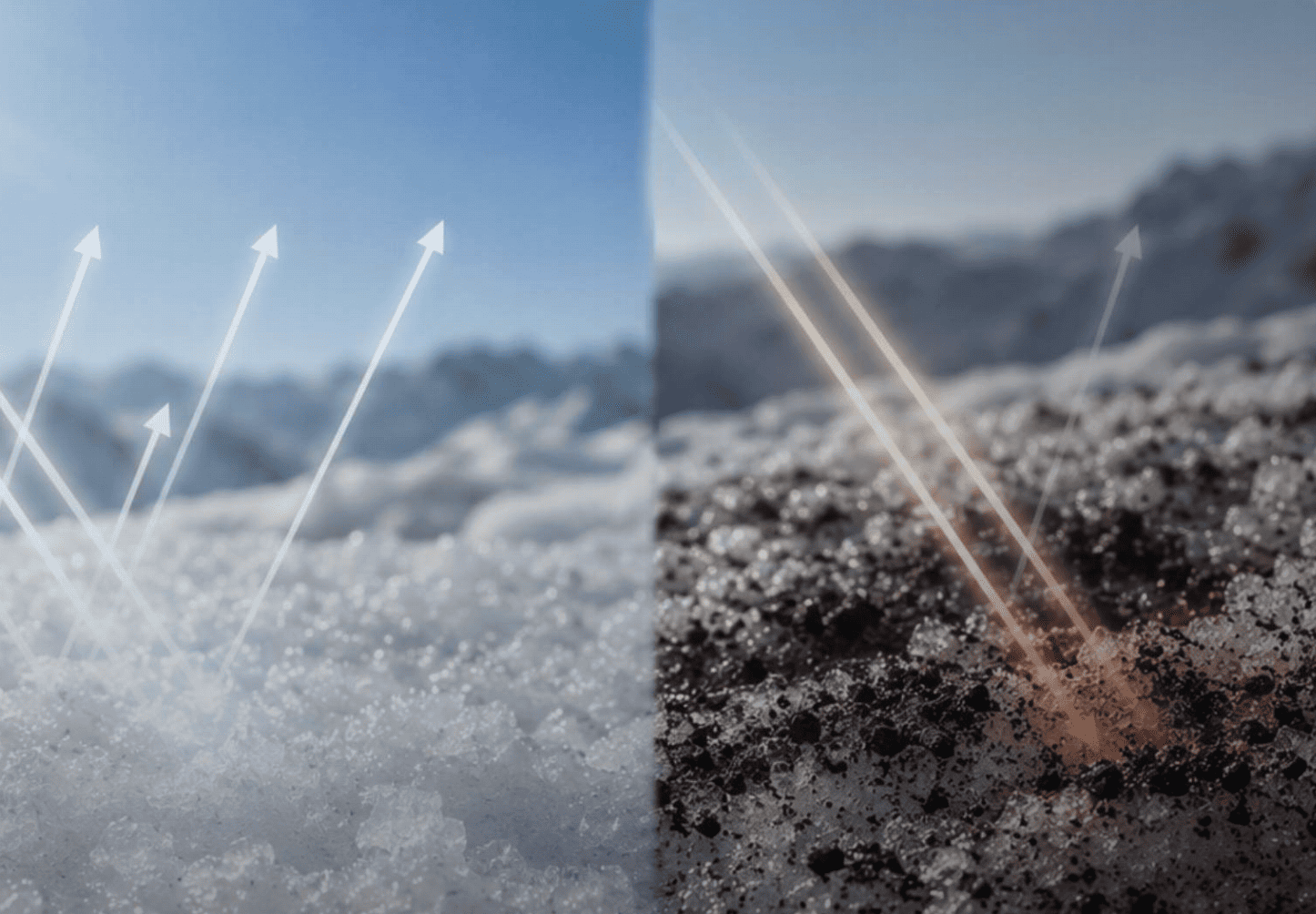
Figure: INAIGEM and Meverick Jeampiere
We all depend on mountains and glaciers in some way.
Glacier retreat can set off a chain of changes that affect water availability, ecosystems, infrastructure and the quality of life of communities.
Select a topic to discover how it affects us.
Although glacier retreat can temporarily increase river flows, this effect is short-lived. As glaciers lose their ice reserves, the water they contribute also decreases, especially during the dry season.
In the long term, less water will be available when it is needed most, putting the cities, crops, energy generation and communities that depend on it at risk.
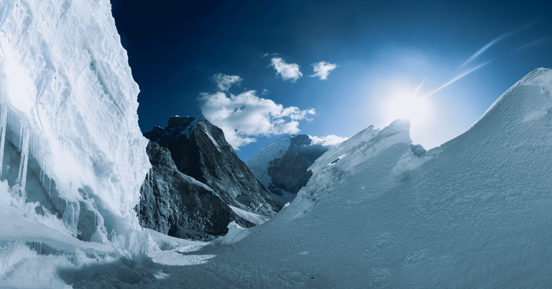

Worldwide, more than 2 000 million people depend directly on water from the mountains.
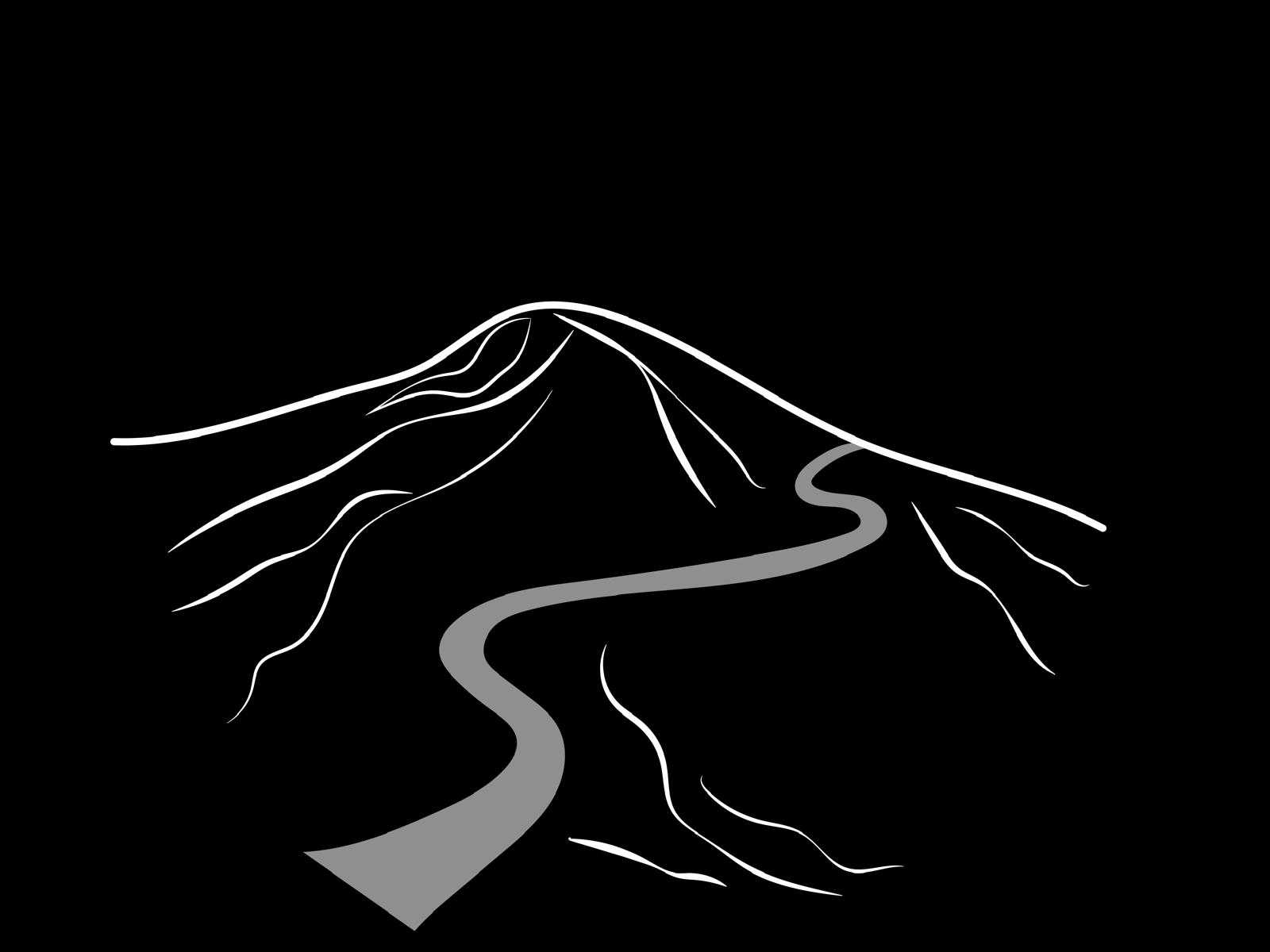
In the Andes, this dependence is critical: in Huaraz, glaciers can contribute up to 67 % of the annual supply and 91 % during droughts.
See the references in the SOURCES dropdown at the bottom of this tab.
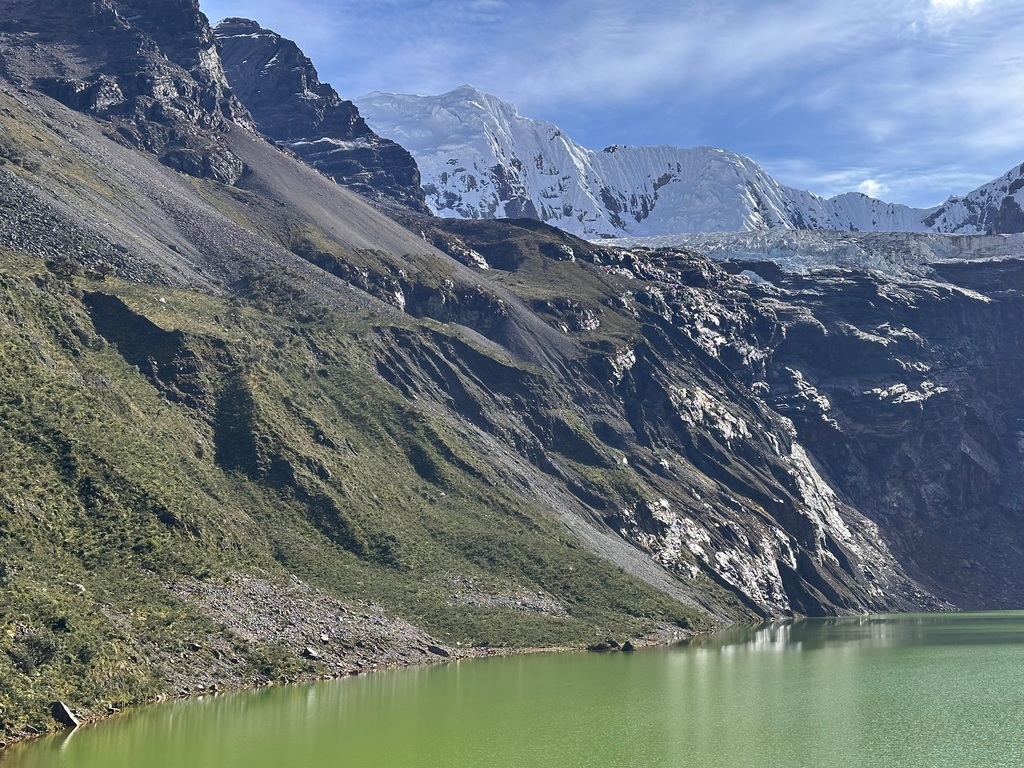
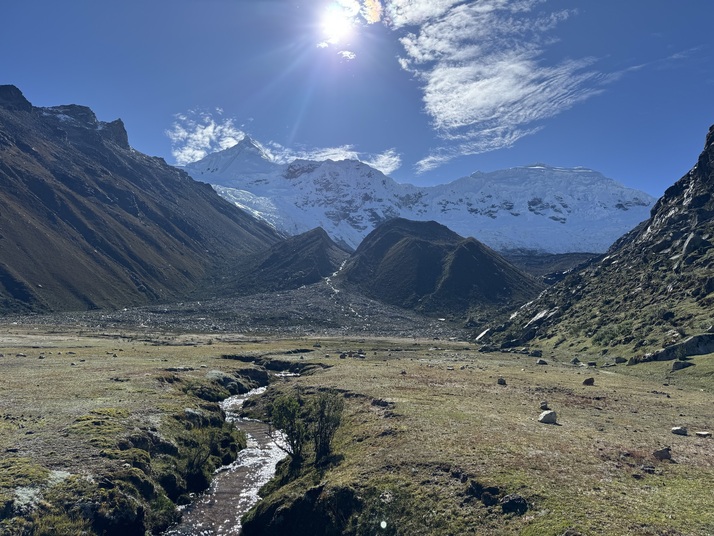
As glaciers retreat, they expose rocks and sediments that can release minerals and metals, increasing the acidity of rivers and lakes, a phenomenon known as Acid Rock Drainage.
In the Cordillera Blanca, some streams have recorded a pH as low as 3.1, compared with the usual 6–7 range in healthy ecosystems.
It can cause gastrointestinal problems, irritation and exposure to harmful metals.
It increases the cost of treating water to make it safe to drink.
It affects agriculture, livestock farming and food production.
It affects aquatic life and the balance of high-mountain rivers and lakes.
See the references in the SOURCES dropdown at the bottom of this tab.
Glacier retreat also often creates lakes dammed by moraines and unstable sediments. These lakes can grow quickly and increase the risk of glacial lake outburst floods, endangering human lives, infrastructure and livelihoods. In Perú, almost 25,000 people died between 1941 and 2014 as a result of glacier-related disasters alone.
Located above Huaraz and fed by the Palcaraju and Pucaranra glaciers, it is one of the lakes with the greatest risk of causing a debris flood.
An event of this kind could affect around 27 000 people, as well as homes, services and biodiversity.
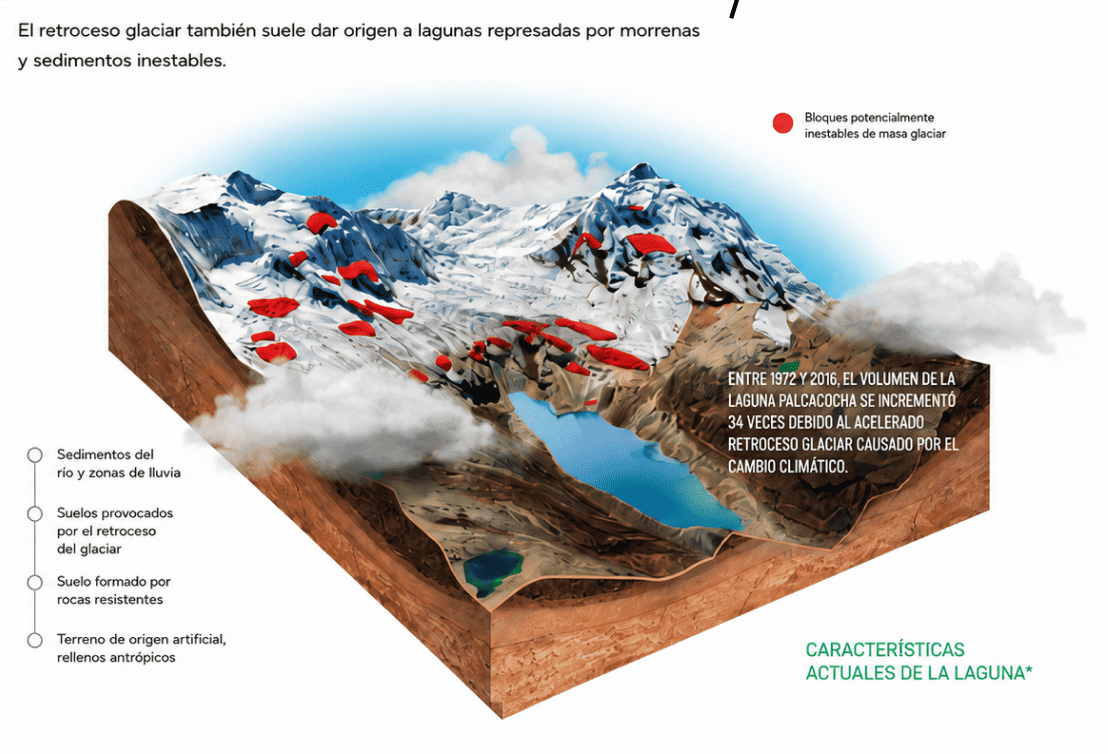
Perú is the third country in the world at greatest risk of glacial lake outburst floods, and the río Santa basin is one of the highest-risk basins.
See the references in the SOURCES dropdown at the bottom of this tab.
The tropical Andes are among the world's regions with the greatest biodiversity and endemism.
They are home to more than 15 % of the planet's plant species, as well as many species of flora and fauna that depend on low temperatures and water from glaciers.
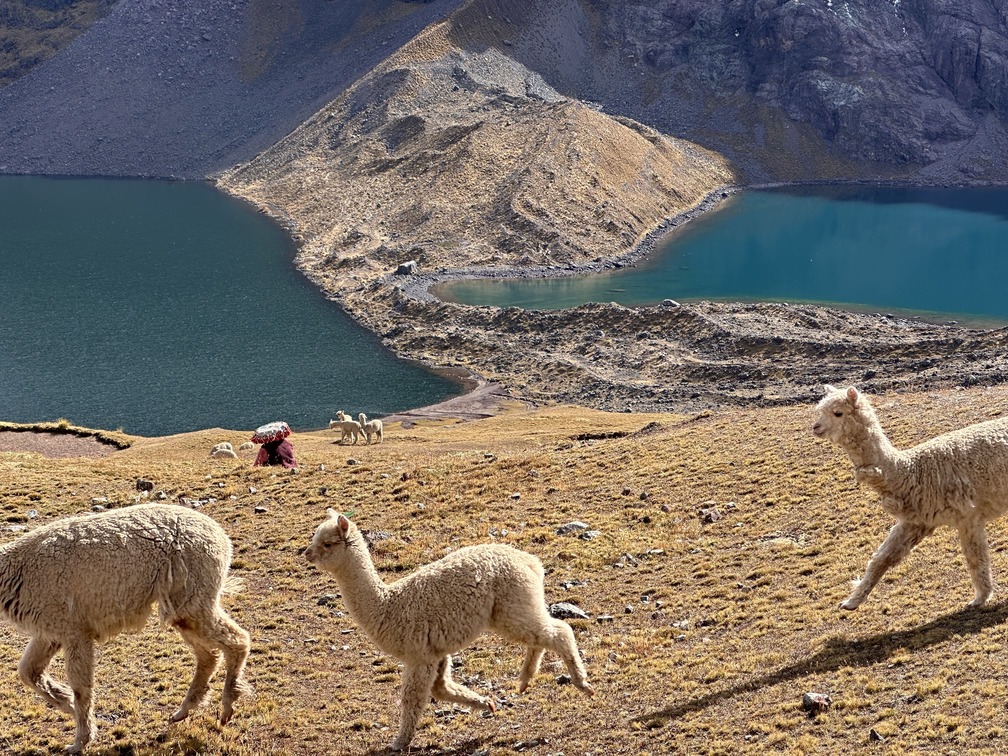
As glaciers disappear, species adapted to cold environments also face habitat loss. Although some can move to higher elevations, the rapid pace of warming limits their ability to adapt or colonise new areas.
Greater risk for endemic species and aquatic organisms.
Processes such as nutrient recycling and water regulation are disrupted.
Pollination and the availability of natural resources decline.
See the references in the SOURCES dropdown at the bottom of this tab.
The effects of glacier retreat extend far beyond the glaciers themselves. Changes in water availability can affect agriculture, livestock farming, tourism, hydropower generation and biodiversity.
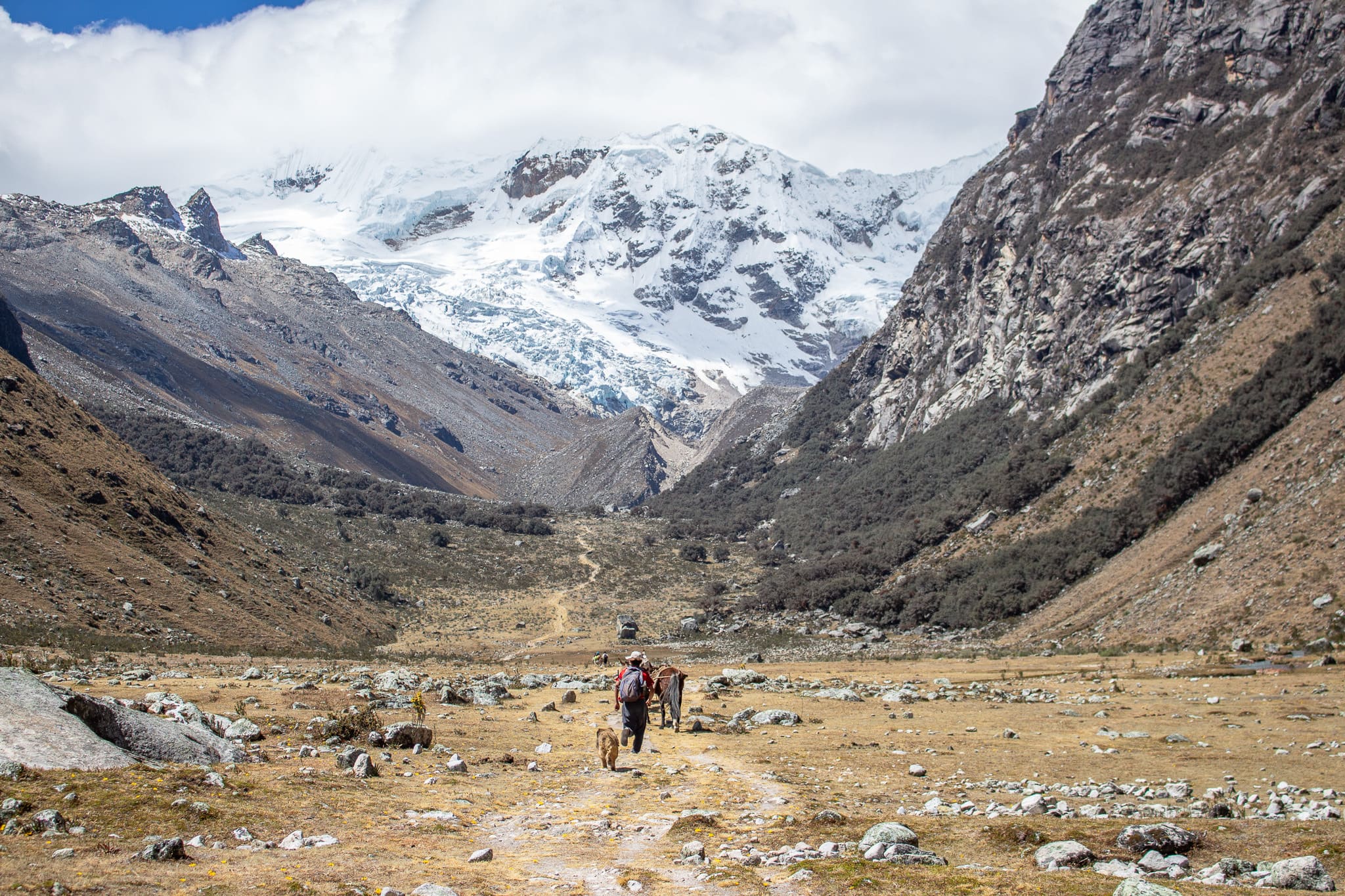
Thousands of hectares of farmland depend on glacier water, so its disappearance threatens agricultural production and food security.
Reduced flows compromise hydropower generation, which supplies almost half (47.8 %) of Perú's electricity, with consequences for the economy and energy security.
Reduced tourism appeal and loss of cultural heritage for communities that consider snow-capped peaks sacred.
See the references in the SOURCES dropdown at the bottom of this tab.
Learn about key actions that can help slow glacier retreat and reduce its impacts.
Although some glacier retreat is already inevitable, its pace still depends on the emissions we produce. Reducing greenhouse gases through renewable energy, sustainable transport and forest protection is essential.
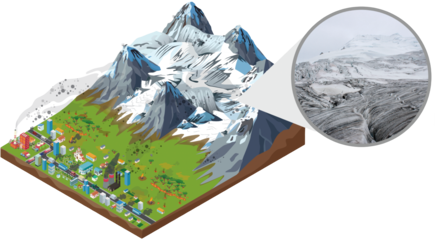
In the Cordillera Blanca, local pollutants such as black carbon from vehicles, industry and fires also play a role.
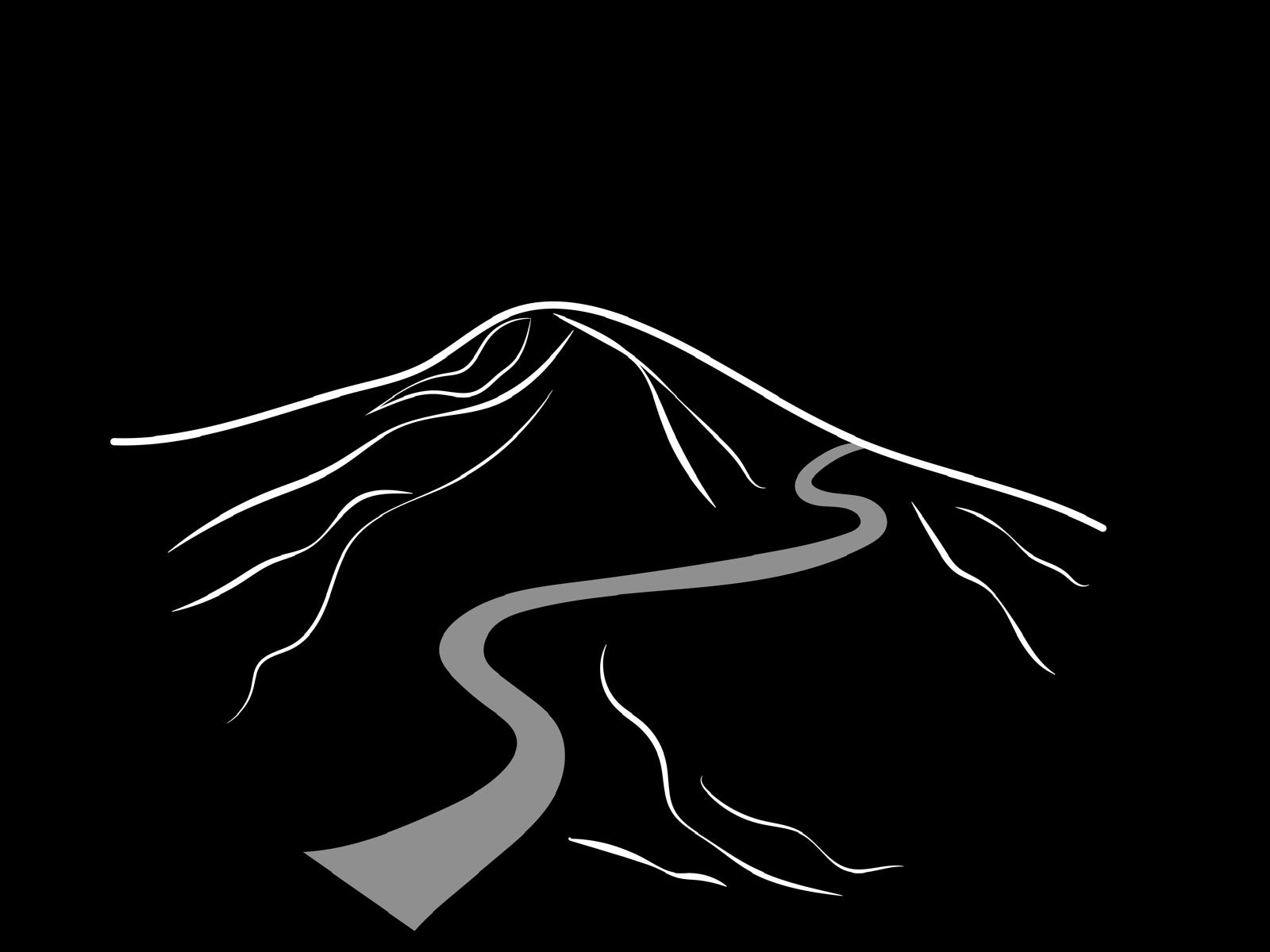
Greenhouse gases trap heat, raise global temperatures and accelerate the melting of glaciers.

Black carbon darkens the ice, which absorbs more heat and melts faster.
Growing glacial lakes, heavier rainfall, changes in water availability and the risk of debris floods make the future increasingly uncertain.
Managing risk means planning for uncertainty, strengthening response capacity and reducing vulnerability.
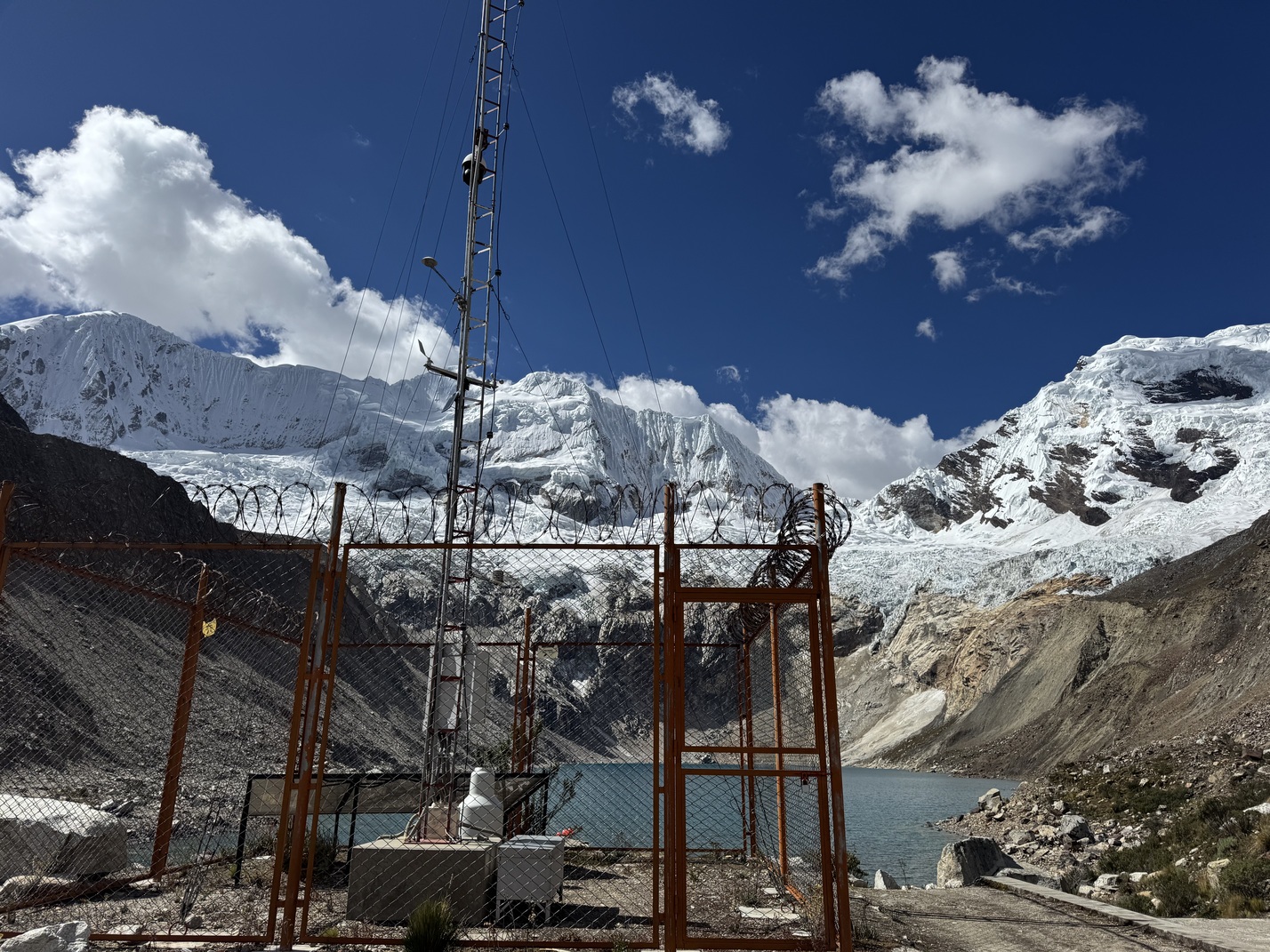
Institutions such as INAIGEM, ANA and several universities monitor glaciers, lakes and basins to anticipate risks. Without continuous data, it is harder to understand and respond to changes.
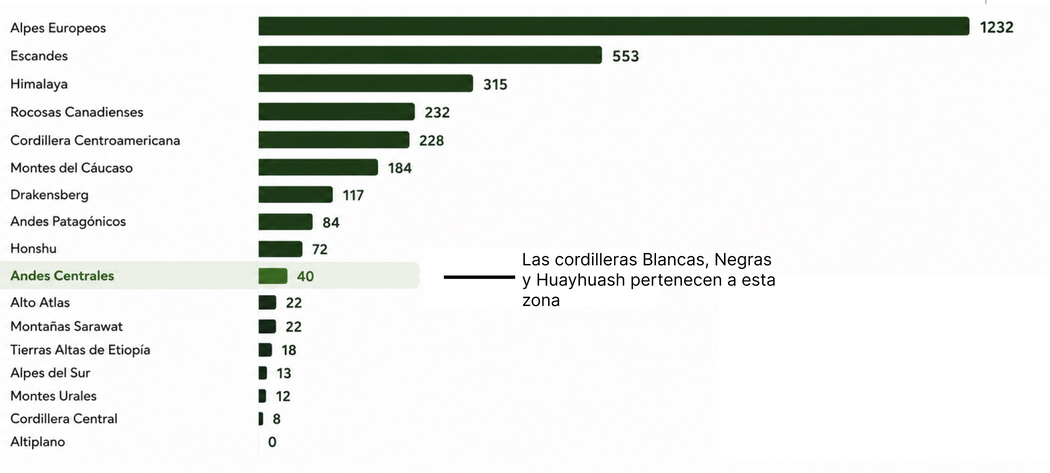
High-Andean ecosystems regulate water, stabilise soils, store carbon and help reduce the impacts of climate change. Protecting glaciers, high-Andean wetlands and mountain forests through mechanisms such as Nature-based Solutions (NbS) is key to addressing water scarcity, disaster risk and biodiversity loss.
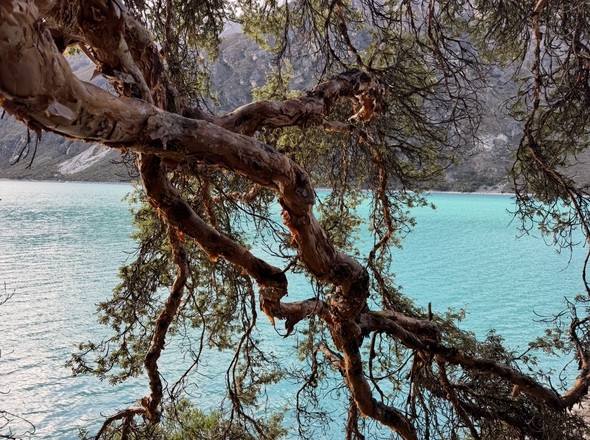
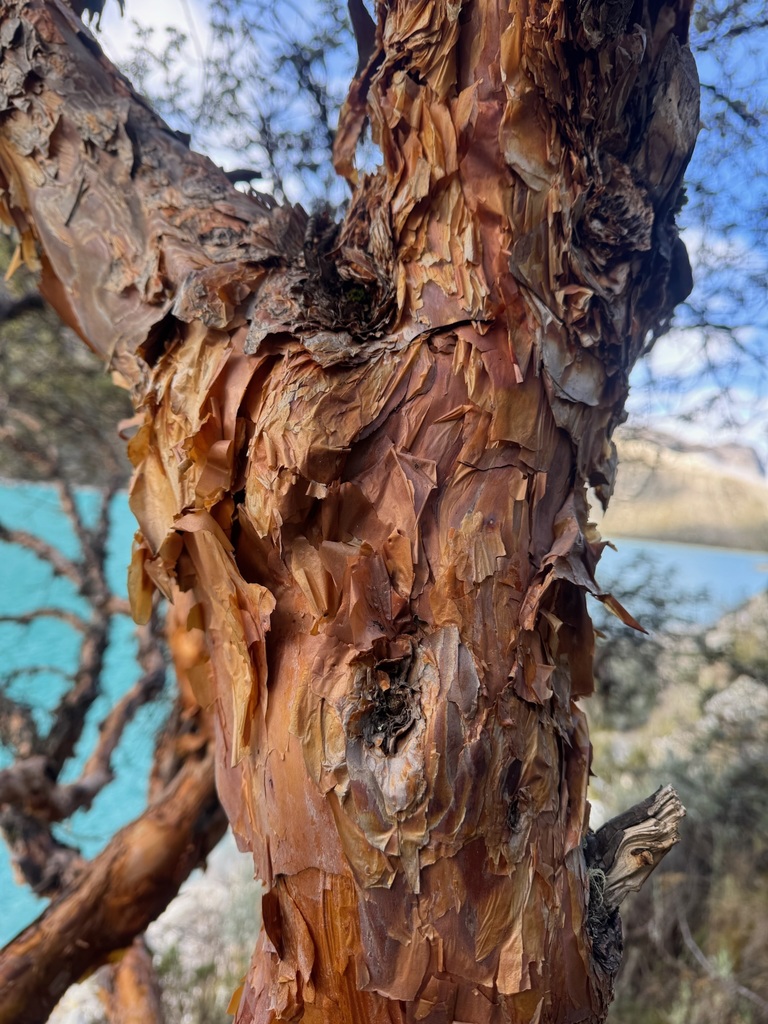
Queñual (Polylepis) forests help water remain in the mountains for longer. By promoting infiltration and stabilising soils, they reduce erosion and sediment transport, and help maintain water flows into rivers and ravines even during the dry season.
Restoring these forests can therefore benefit both biodiversity and the communities that depend on these water resources.
Protect key habitats and strengthen protected natural areas.
Restore forests, high-Andean wetlands and other ecosystems to improve resilience.
Plan land and water use to reduce degradation.
Mountains still receive little attention in public policy. Without clear legal frameworks, they can be affected by activities such as mining or deforestation.
They must also be integrated into national strategies on climate change, biodiversity and water to build a shared vision for conservation and adaptation.

It promotes a Política Nacional de Glaciares y Ecosistemas de Montaña to reduce the impacts of glacier retreat.

It recognises glaciers as a strategic resource and establishes a national policy to protect them.

It seeks to improve quality of life in high-mountain regions and support sustainable development.
Climate change does not respect borders. Adapting requires collaboration between communities, scientists, governments and organisations, as well as an informed public.
Education, training and international cooperation allow knowledge to be shared and strengthen adaptation from individual communities to entire regions.
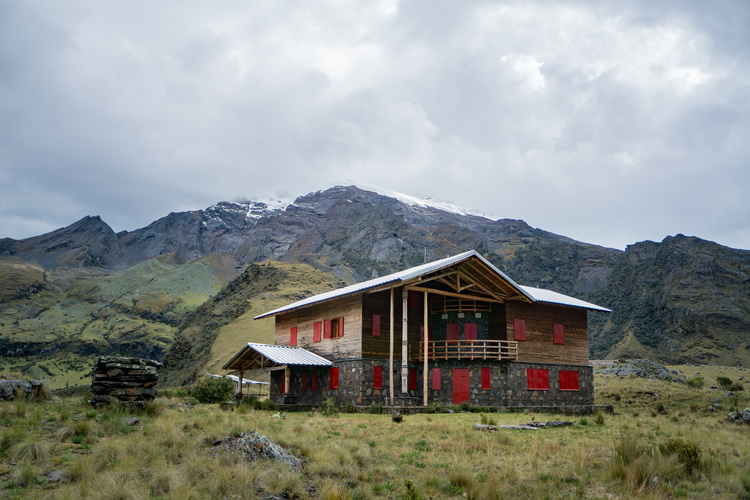
Andean communities have observed the mountains for generations and experienced their changes firsthand. They have learned to recognise signs in the landscape that do not always appear in scientific records, such as variations in water sources, changes in pastures or rainfall cycles.
Together with science, this knowledge provides a fuller understanding of what is happening and how to respond in ways that are better suited to each place.
Although separated by thousands of kilometres, many mountain ranges share the same challenges.
International initiatives such as Mountain Partnership and Adaptation at Altitude connect the Andes, the Himalaya and África Oriental to share knowledge and strengthen adaptation to climate change.
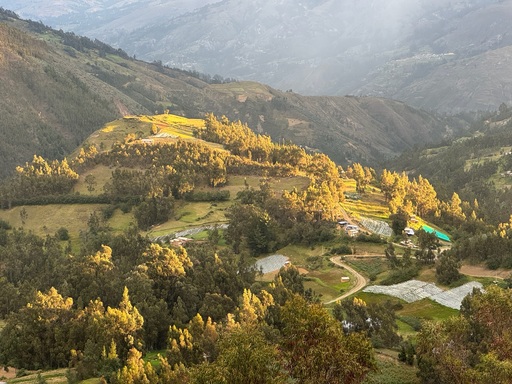
Environmental education, mountains and conservation from the Cordillera Blanca.
See more
Community education, biodiversity, ancestral knowledge and climate resilience from Áncash.
See more
It promotes knowledge of climate change and climate justice, water management and sustainability.
See more
Youth leadership driving entrepreneurship, education and empowerment initiatives.
See more
It promotes intercultural dialogue and sustainability through projects that strengthen respect between people and the environment.
See more
A memory and education project about Huascarán and its relationship with communities.
See more
Documenting the urgent reality of glacier retreat in Perú and Suramérica to preserve the future of water.
See more
It organises clean-up days in mountains, lakes and trekking routes.
See moreThe Cordillera Blanca is a source of water for thousands of people, a key place for studying climate change and the world's largest concentration of tropical glaciers. Getting to know it means understanding that its value extends beyond its landscapes.
Respect protected areas, leave no waste, stay on marked trails and try to keep the impact of your visit as low as possible.
Stay informed, share reliable information and, when you can, support local conservation and research initiatives.
 Photo: Steven Guio