



Dry season
Sunny days, generally clear skies and sharper views of the snow-capped peaks. Temperatures can drop considerably at night, especially at high altitude.
This is the best time for trekking.

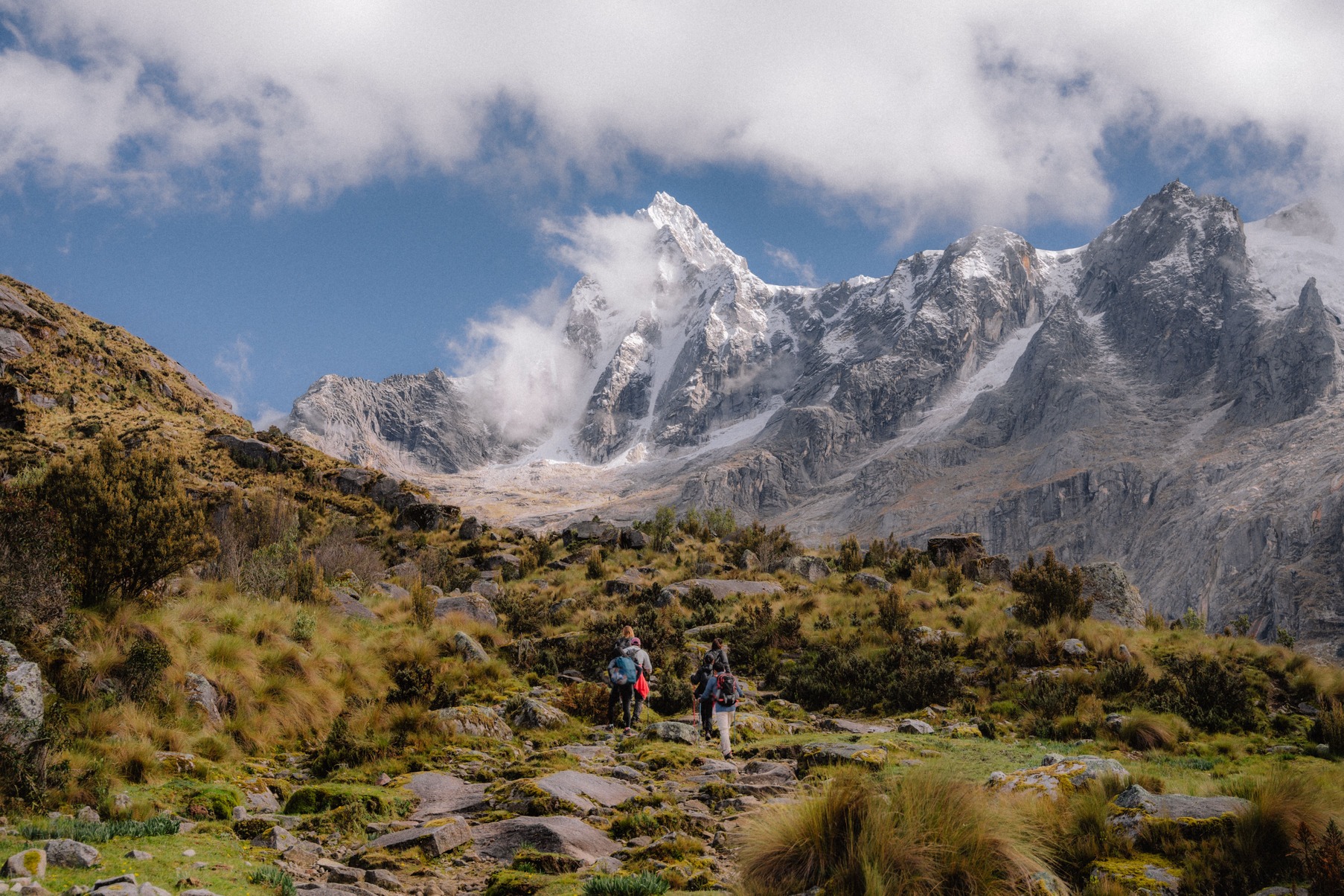
A GUIDE TO UNDERSTANDING ITS VALUE IN THE ANDES AND THE WORLD
Located in the Áncash highlands, northeast of Lima
It has 17 peaks above 6000m, including Nevado Huascarán, the highest in Perú (6757m).
Named the world's best adventure destination of 2025
by Forbes and the TOURISE Awards.
Almost the entire mountain range is protected by Parque Nacional Huascarán, a UNESCO Natural World Heritage Site. Considered an incredible destination for trekking, mountaineering and climbing.
Beyond its natural richness, it preserves fascinating remains of pre-Inca cultures, making it an ideal destination for all kinds of travellers.
The Cordillera Blanca has two distinct seasons that shape the mountain experience and activities in the region.
Sunny days, generally clear skies and sharper views of the snow-capped peaks. Temperatures can drop considerably at night, especially at high altitude.
This is the best time for trekking.
Rain is more frequent, especially between January and March. The scenery becomes greener and more vibrant, but trekking conditions can be more demanding: slippery paths, reduced visibility and sudden changes in the weather.
In the mountain range, the weather can change within hours, so it is important to be prepared for intense sunshine, cold, wind and rain all in one day.
Parque Nacional Huascarán is one of the most biodiverse areas of Perú. It has more than 1200 species (birds, mammals, insects, amphibians and plants).
such as the rufous-backed Inca finch, the quechua waqanki orchid and the Andean marsupial frog
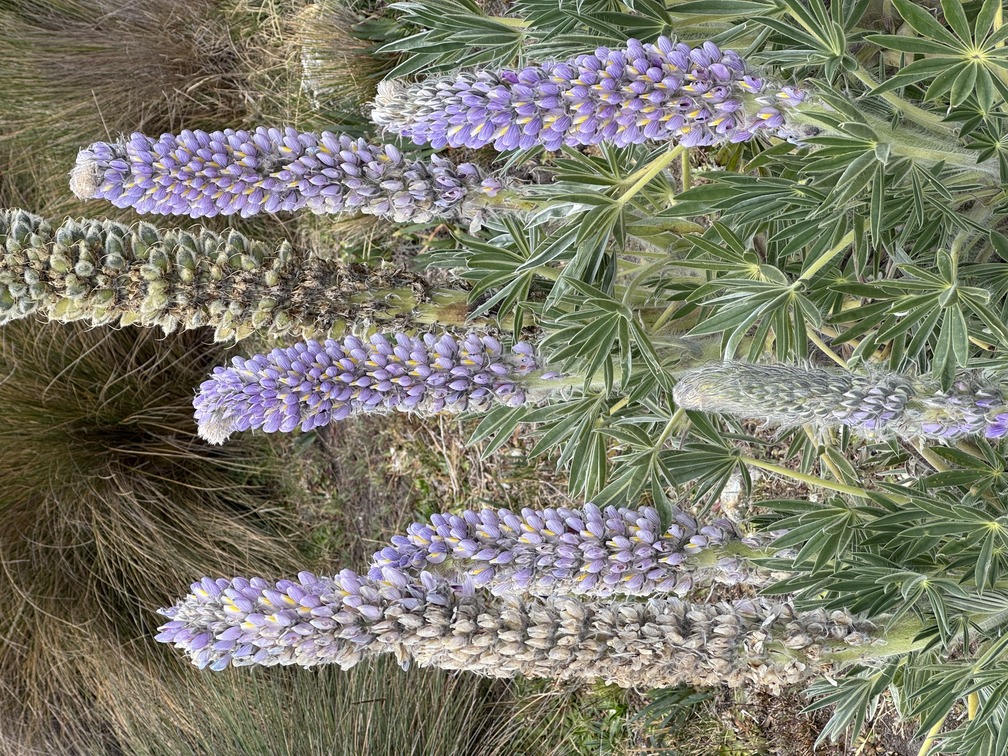
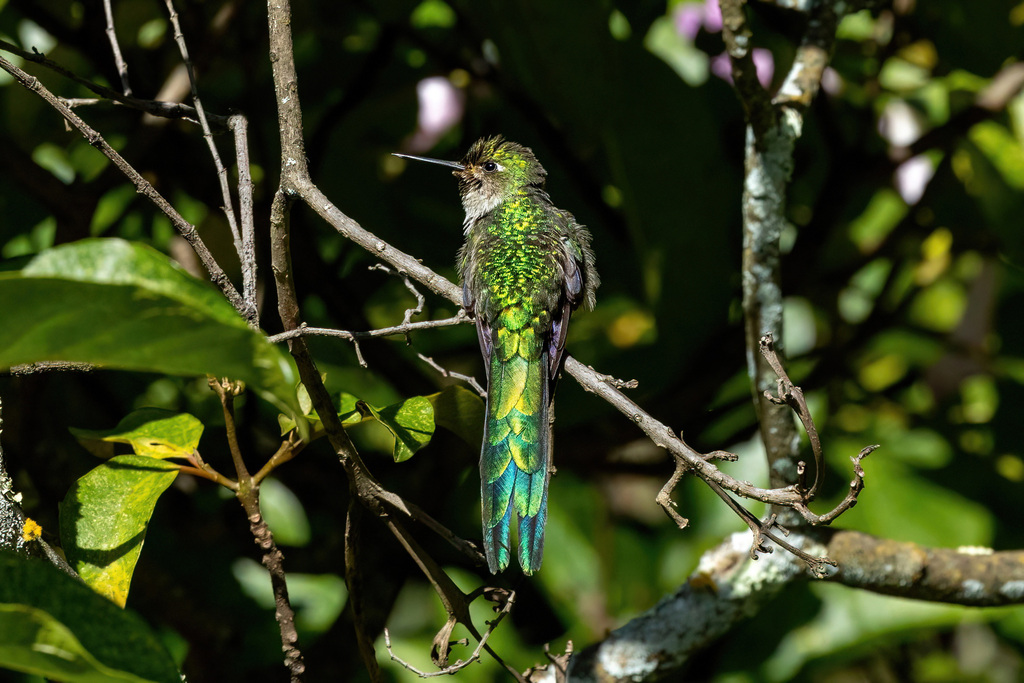
such as Puya Raimondi, the spectacled bear and the grey-bellied hummingbird.
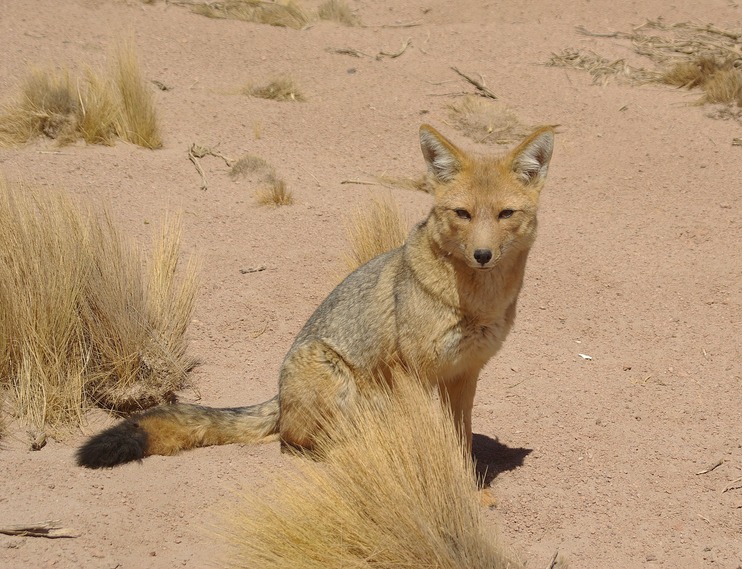
The mountain range is home to emblematic species such as the vicuña, the Andean fox and the majestic Andean condor, which soars over the valleys.
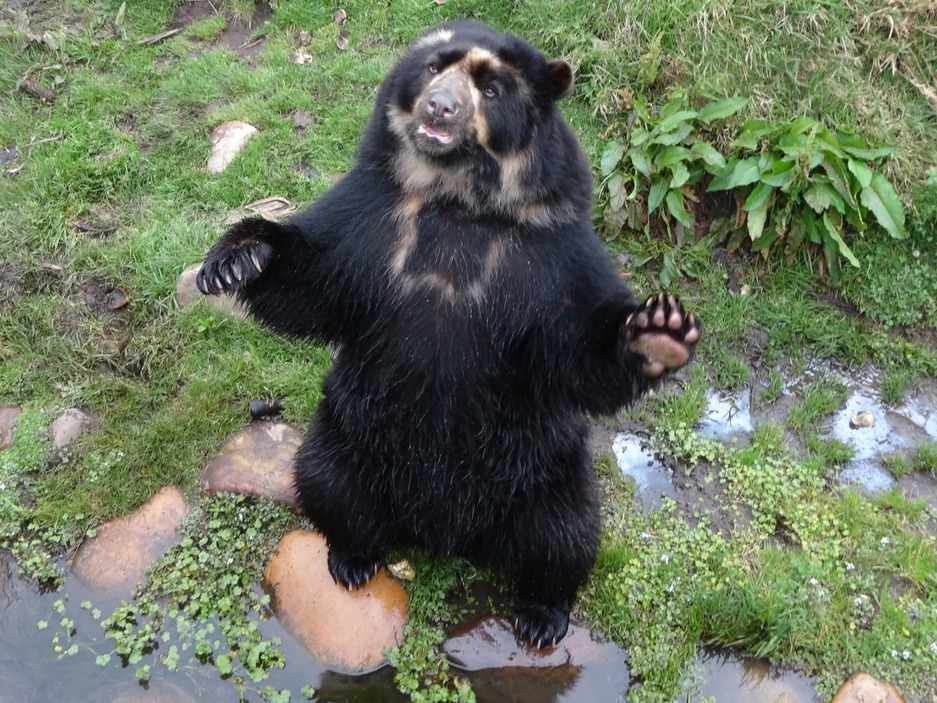
More remote areas are also home to the spectacled bear, an Andean species vulnerable to extinction and difficult to observe.
This natural balance is fragile. Every visit is an opportunity to discover it and help protect it.
High-Andean species such as ichu (puna grass), high-Andean wetlands and cold-resistant plants predominate. The Puya Raimondi is one of the world's largest plants, reaching 12 metres in height.
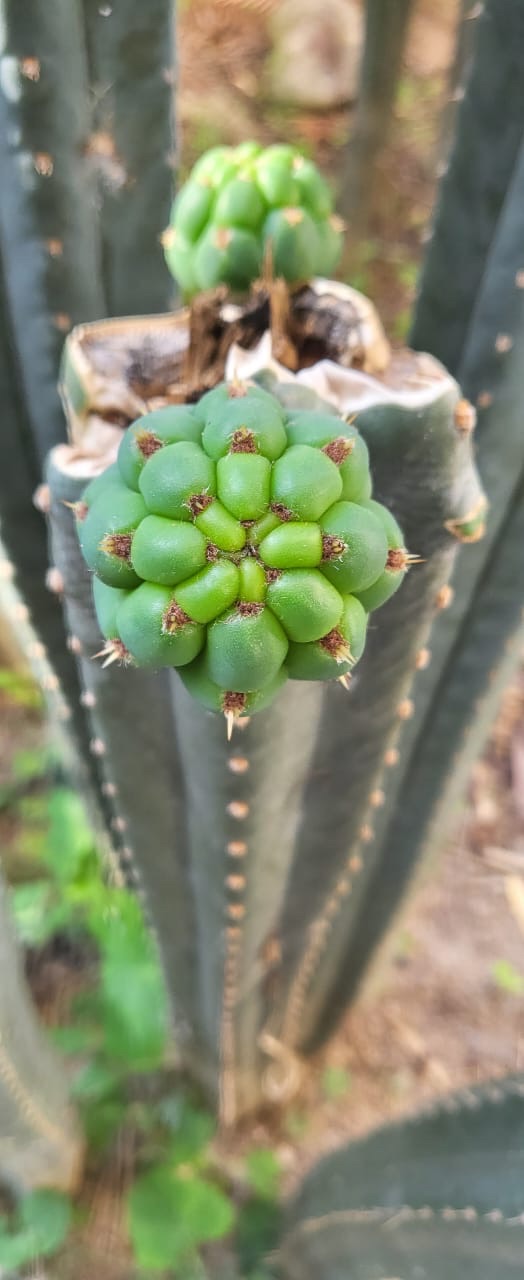
Another characteristic feature is the San Pedro cactus, an ancestral plant associated with Andean cultural practices.
The Cordillera Blanca includes an ecosystem with a variety of flowers that attract hummingbirds, which are adapted to altitude and essential for pollination.
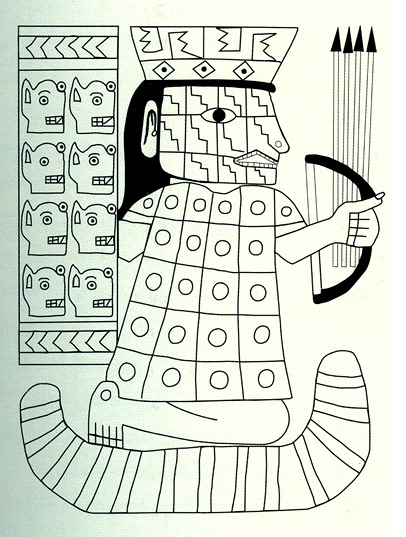
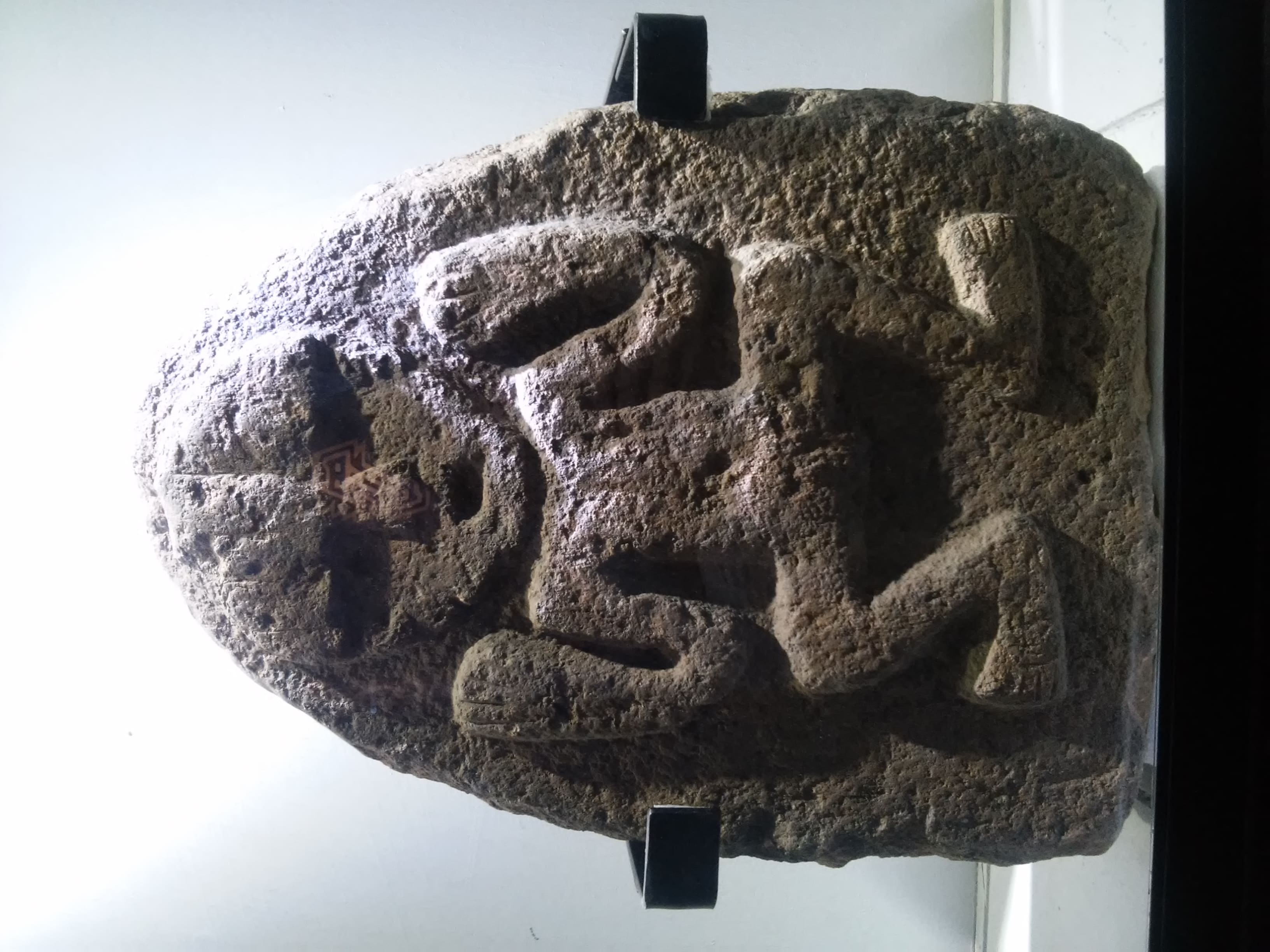
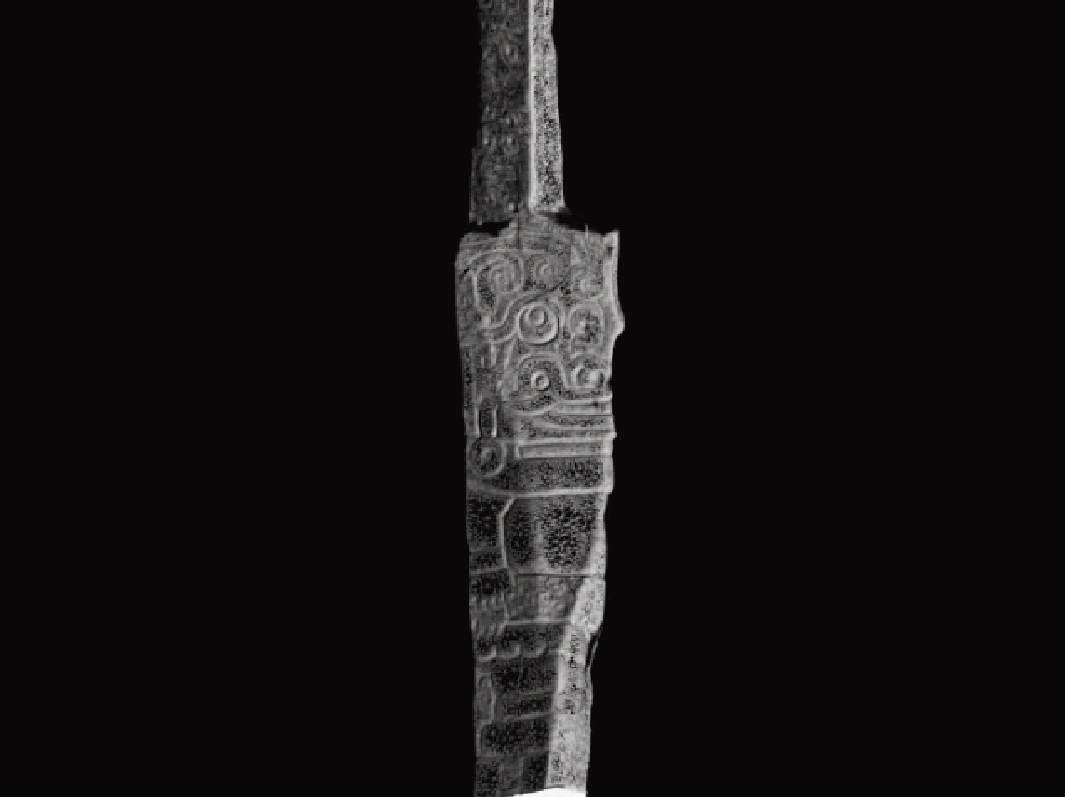
The region was the cradle of important pre-Hispanic cultures and has numerous archaeological remains of the Wari, Chavín, Recuay and Huaylas cultures.
Petroglyphs in several high-Andean valleys also reveal the presence of early human settlements in these areas. Sections of the famous Qapaq Ñan (Inca road) can also be seen at various points in Callejón de Huaylas.
Throughout its history, Áncash has suffered devastating natural disasters, such as the 1941 debris flood and the 1970 earthquake, of magnitude 7.7, which destroyed most of Huaraz and Ranrahirca and all of Yungay.
Spanish is spoken in Áncash, although Quechua is still widely used in rural communities. Many Andean traditions also endure, such as collective work for planting and harvesting (AYNI/MITA), traditional dances, and respect and veneration for the earth (PATSAMAMA).
A variety of traditional and religious festivals are celebrated in the region, strengthening its identity and sense of community.
Over several days, each neighbourhood in Huaraz celebrates the carnival with groups and dances. Rompecalle is a large street parade in which groups from across the region march in traditional costumes, with music and choreography, filling the city centre with colour and a festive atmosphere.
One of the most important traditions is the yunza or cortamonte, in which participants dance around a tree decorated with gifts and take turns chopping it with an axe. When it finally falls, everyone runs to collect the gifts, and the person who makes the final cut usually takes responsibility for organising the following year's yunza.
The festivities culminate in Martes Guerra, when the streets become one huge game of paint and water, making it impossible to finish the day dry. If you visit Huaraz at this time, be ready to join in or enjoy the spectacle from a safe spot.
Fiesta de las Cruces is one of the most representative religious and cultural celebrations in Áncash. Every May, the crosses that protect hills, neighbourhoods and communities are carefully decorated with flowers, fabrics and ribbons, then carried in procession amid music, traditional dances and bands.
Beyond its Catholic significance, this festival retains deep Andean roots, as the crosses are often placed in locations considered sacred since ancestral times. During the celebration, families and communities gather to share food, music and activities that strengthen community ties and keep traditions alive.
Although quieter than in other cities in Perú, Semana Santa brings processions, religious celebrations and fairs to central Huaraz. It is a good time to experience the city's more traditional atmosphere.
Over several days, the image of Señor de la Soledad travels through the city accompanied by bands of musicians and hundreds of dancers. The Shacshas, declared Patrimonio Cultural de la Nación, are the most emblematic expression of the celebration. Their energetic steps and jumps follow the rhythm of shaqapas, leggings adorned with dry seeds that make a distinctive sound with every movement.
According to local tradition, the word shacsha refers to a lively, cheerful person, a quality reflected in the dance. Beyond their festive character, the Shacshas represent a fusion of the Andean worldview and Catholic tradition, incorporating references to the mountains, water and other forces of nature. Passed down from generation to generation, this dance has become one of the main cultural symbols of Huaraz and Callejón de Huaylas.
Huaraz celebrates its anniversary with a programme filling the city with cultural, civic and festive activities. These days feature parades, official ceremonies, artistic performances, concerts, food and craft fairs, and traditional dance displays bringing together groups from different districts of Áncash.
The celebrations include school and civic parades, concerts, food fairs and cultural activities. Many visitors take advantage of the long holiday to explore the Cordillera Blanca, making it one of the busiest times for tourism.
Find routes, weather, climate change information and recommendations to discover the Peruvian Andes more clearly and responsibly.