Keep in mind
In the mountain range, paths are not always well marked, most routes have no signal and some sections are more technical than others. Plan your route in advance, take a detailed map and tell someone about your itinerary and return.
Safety and information shape your experience
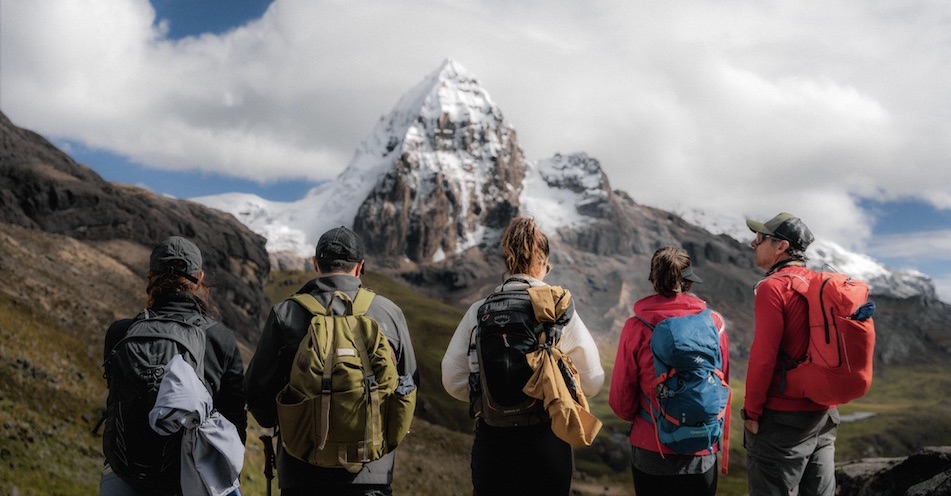
It is important to understand our physical condition and tolerance of altitude, so proper acclimatisation and preparation are essential. Always tell someone before setting off on an adventure: where you are going, who you are going with and when you plan to return.
Much of your safety depends on preparation. This includes having suitable equipment for rapid, sudden weather changes, checking the forecast, researching the route or hiring a good tourism service or an experienced person for more detailed guidance.
In the mountain range, paths are not always well marked, most routes have no signal and some sections are more technical than others. Plan your route in advance, take a detailed map and tell someone about your itinerary and return.
Bring refillable water bottles to avoid infections from bacteria or heavy metals; most importantly, this helps us leave less waste in protected areas.
Aggressive dogs may appear in Huaraz and on some routes. Stay calm, do not run, and use a firm voice and broad gestures to deter them while moving away carefully.
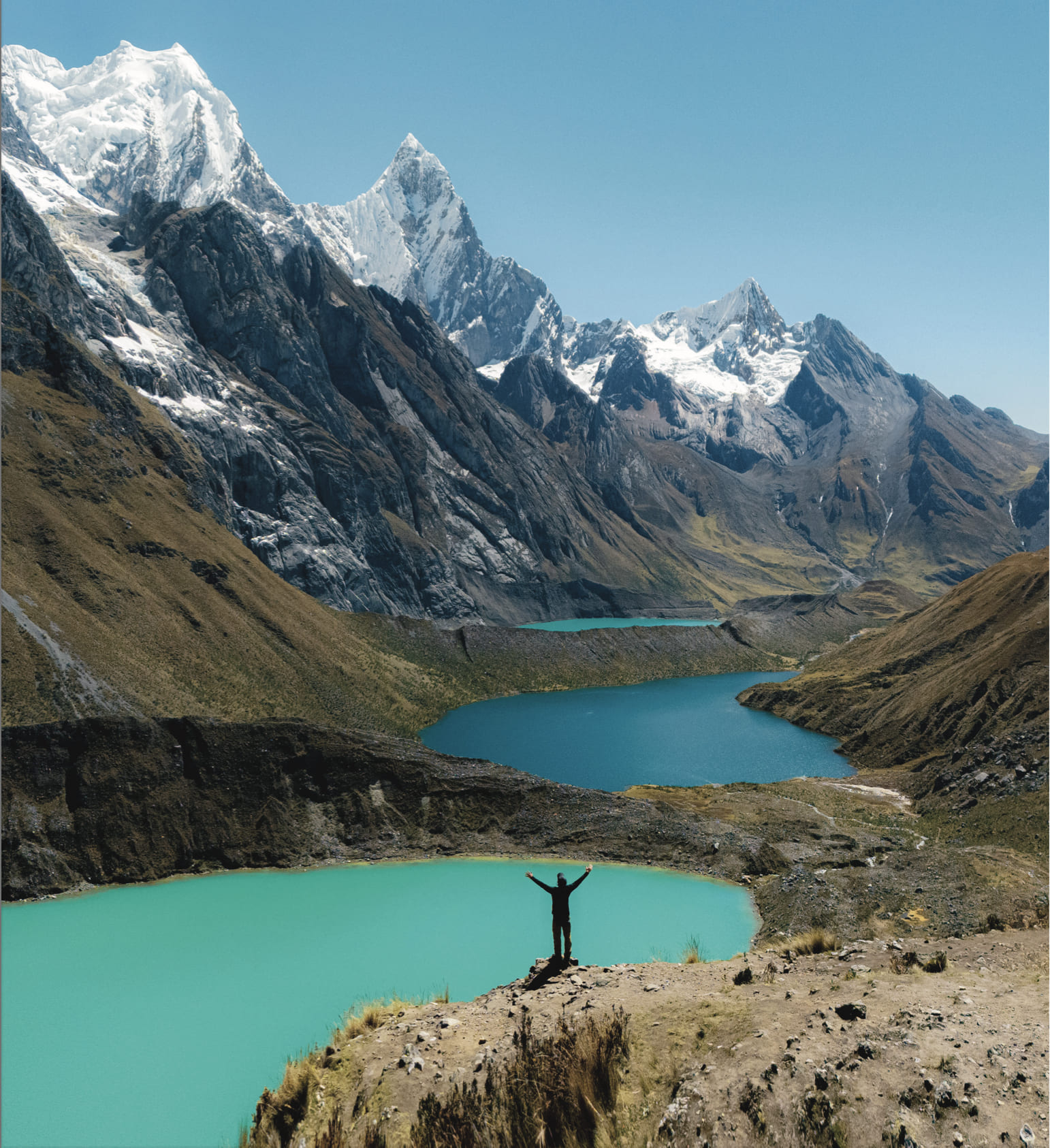
Proper acclimatisation is essential. Altitude sickness can cause symptoms from 3000 metres above sea level, and many lakes in the mountain range lie above 4000 metres above sea level.
To acclimatise, arriving in Huaraz at least 2 days before your itinerary is recommended. The longer you spend at altitude, the better your body will adapt.
Start with gentle walks on the first day, such as Puka Ventana or Radian, then move on to more demanding routes such as Laguna 69 or Churup. Listen to your body from your very first day.
This tool helps identify and assess the severity of altitude sickness symptoms, such as headache, nausea, dizziness and fatigue.
Interactive adaptation: @meverick10
Altitude sickness can be interpreted as:
No significant signs
Watch for changes.
Note: This scale does not replace medical assessment. If you develop symptoms, descend to a lower altitude and seek professional help.
This list is a guide. Each person may have different preferences and requirements, and quantities will vary depending on the length or difficulty of the route.

--°
Loading...
Get in touch!
+51 940 504 149Every purchase helps us inspire more people to discover, value and protect the mountain ranges.
Discover our shop